
Here for Her Safety: Why Early Intervention Matters

|
||
|
|
||
|
||
|
Here for Her Safety: Why Early Intervention Matters |
||
|
As your Police and Crime Commissioner, I am determined to make Dorset a safer place for women and girls. This means not only ensuring that perpetrators are held accountable but also challenging the attitudes and behaviours that underpin violence and abuse, intervening early to prevent harm and making sure that victims and survivors receive the support they need. This week, I joined forces with Dorset Police, the Bournemouth Echo and the Dorset Echo to launch a 16-day campaign highlighting violence against women and girls (VAWG), under the banner of Here for Her Safety. A major aspect of tackling VAWG is early intervention which is why my office commissions a young person’s service provided by Circles South West. I will now hand this newsletter over to a spokesperson from Circles South West to tell you more about the importance of this service and the major impact that it has.
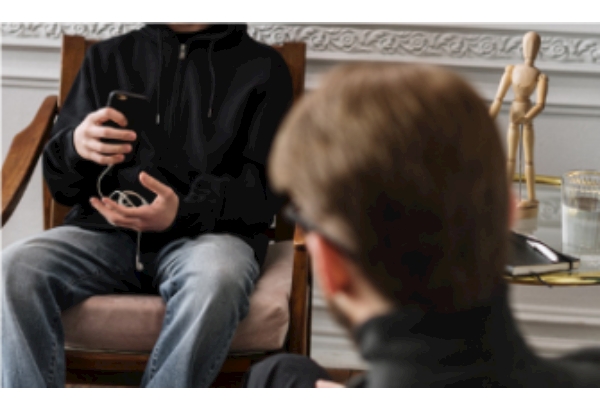
"One of the services we offer is to deliver interventions for young people who have displayed problematic or harmful sexual behaviour who would benefit from a structured, educational intervention. The programme provides an early intervention response, helping young people understand their harmful behaviour and build the skills needed to make safer and more positive choices in the future. “One case that particularly highlights the value of the programme involved a 16-year-old who was referred following concerns raised by his school. The concerns included inappropriate sexualised behaviour towards peers and the sharing of self-generated indecent images. While these behaviours did not result in criminal proceedings, they presented significant safeguarding concerns and had the potential to escalate if left unaddressed. “Following a referral, the young person and his family were visited by professionals who assessed his suitability for the intervention. It was clear from the outset that he lacked an understanding of boundaries, healthy relationships, and the wider impact of his behaviour on others. This is precisely the type of situation where early intervention can make a significant difference. “The programme was delivered over eight individual sessions within the school setting. Throughout the intervention, a practitioner worked to establish a trusting and supportive relationship with the young person. This allowed for honest conversations around his behaviour, the factors influencing it, and the consequences it could have for himself and others. The session material including consent, personal boundaries, healthy relationships, online safety, pornography, emotional regulation, and problem-solving. Importantly, the programme did not focus solely on the behaviours of concern. Instead, it adopted a strengths-based approach, helping the young person identify positive goals and recognise his own potential. “As the intervention progressed, the young person began to demonstrate greater insight into his actions and their impact. He was able to reflect on situations that had led to poor decision-making and identify practical strategies to avoid similar circumstances in the future. “One of the most encouraging aspects of this case was witnessing the young person's growing confidence and engagement. By the end of the programme, he had reconnected with interests that provided a healthier outlet for his time and energy, and his focus had shifted from the behaviours that initially prompted concern, towards building a future that reflected his strengths and ambitions. “This case demonstrates the importance of providing young people with opportunities to learn, reflect, and change before behaviours become more entrenched. “The feedback we received from the young person was particularly powerful: “He said: “Before starting the programme, I felt embarrassed and worried about talking about what had happened. The sessions helped me understand why my behaviour was wrong and how it affected other people. I learned about consent, boundaries, and healthy relationships in a way that made sense to me. I now think more about the consequences of my actions and feel much more confident about making better decisions. The programme has helped me focus on my future and the goals I want to achieve.” “Cases such as this reinforce why early intervention services remain a vital part of our safeguarding and prevention offer. Not only does it provide young people with the support they need to make positive changes but also enhances community safety and reducing the risk of future harmful behaviours. “In the short term, young people report feeling more confident about staying safe, better understand healthy relationships, consent and pornography, and are more able to talk about feelings, cope with negative emotions and plan to avoid repeat behaviours. Many feel more hopeful about the future and less likely to engage in harmful behaviours. “In the medium to long term, the likelihood of further harmful sexual behaviour is reduced, potential victims are prevented, and schools and partner agencies become better informed about harmful sexual behaviour and effective interventions. Learning contributes to the wider evidence base and helps identify solutions to gaps in provision. “Young people consistently highlight the value of having a safe space to discuss difficult topics, gaining a better understanding of their behaviour, learning about consent and recognising the harms associated with pornography saying that the most helpful aspects are:
Targeted intervention can make a real difference. It gives young people the opportunity to understand their behaviour, take responsibility for their actions and make better choices. In doing so, it helps protect potential victims and contributes to safer communities for everyone. The example shared by Circles South West demonstrates exactly why early intervention matters and why I am committed to ensuring that services like this remain an important part of our approach to safety. I want to thank Circles South West and all the professionals, schools, families and partner organisations involved in delivering this important work. Their commitment demonstrates what can be achieved when we work together with a shared determination to prevent harm.
David Sidwick Police and Crime Commissioner for Dorset
To learn more about the work of Circles South West and volunteering opportunities, visit: Home - Circles South West
| ||
Reply to this message | ||
|


|