
Online Fraud – Think Before You Click! - Trigger Fraud Alert #50 (October 2026)

|
||
|
|
||
|
||
|
Online Fraud – Think Before You Click! - Trigger Fraud Alert #50 (October 2026) |
||
Dear Resident,
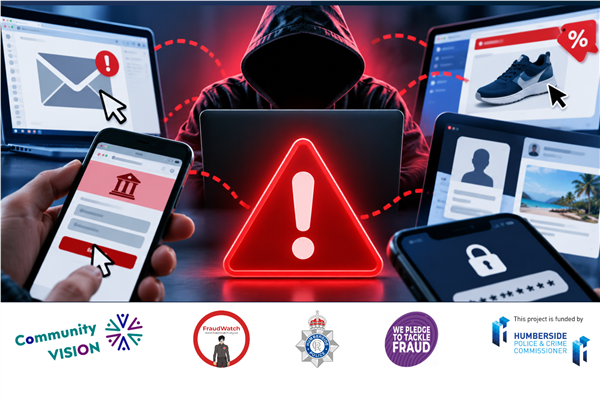
Criminals are using increasingly convincing online frauds to steal personal information, access accounts and trick people into handing over their money. Fraudsters can spend hours researching their potential victims, gathering information from social media, websites and other online sources to make their scams appear genuine. They may use phishing emails, fake websites, fraudulent online adverts or cloned social media profiles to gain your trust. Their aim is often to steal your personal or financial information, gain access to your accounts or persuade you to make payments. ⚠️ How to Protect Yourself 🔗 Think Before You Click – Avoid clicking on unfamiliar or suspicious links in emails, text messages or social media posts. Instead, visit the organisation’s official website by typing its address directly into your browser. 🛒 Beware of Fake Online Adverts – Criminals create convincing adverts on websites and social media, sometimes offering products at unusually low prices. These adverts can direct you to fake websites designed to steal your details or money. 🔐 Protect Your Online Accounts – Use strong, unique passwords for each of your online accounts. Enable two-factor authentication (2FA) wherever possible to provide additional protection. 📱 Be Careful What You Share Online – Information shared on social media, including your birthday, location, workplace or personal interests, can help criminals create convincing scams specifically targeting you. 🛑 Stop and Check Before Paying – If you are asked to make an unexpected payment or provide personal information, take time to verify the request using contact details you have found independently. 🚨 Remember: Stop, Challenge, Protect STOP: Take a moment to think before sharing information or making a payment. CHALLENGE: Could it be fake? Criminals will try to rush or pressure you into making a decision. PROTECT: If you think you have been targeted, contact your bank immediately if your financial details are at risk and report the incident. Remember: Just because a website, advert or message looks genuine doesn’t mean it is. Always take time to check before you click, share or pay. Reporting and Support If you have been a victim and lost money, call 101 and report it to Humberside Police. Contact your bank immediately if you have shared financial details or made a suspicious payment. You can call 159 if you don’t know your bank’s contact number. Forward suspicious emails to report@phishing.gov.uk. Forward suspicious text messages to 7726. Visit fraudwatch.org.uk for more information about fraud and where to get support. You can also sign up to receive future alerts at alerts.fraudwatch.org.uk. You can read the full alert, watch a video and download some leaflets to share here: https://www.fraudwatch.org.uk/2026/10/22/trigger-fraud-alert-50/. | ||
Reply to this message | ||
|
||
|
To find out more about your local policing team including who your officers are, updates on policing priorities and details of meetings and events please visit https://www.police.uk. |


|