An update from Durham Police and Crime Commissioner, Joy Allen...
BRIEFING – Issue 13 - 2026
Commissioner’s Welcome
Listening to our communities and turning what people tell me into action remains at the heart of my Police, Crime and Justice Plan.
Across County Durham and Darlington, I continue to hear directly from residents, victims, volunteers, young people and our partners about the issues affecting them. My job is not simply to listen, it is to make sure those concerns lead to action.
That means investing in prevention, protecting our neighbourhoods, standing up for victims, tackling the causes of offending and making sure offenders are brought to justice. It also means taking the experiences of our communities to Government and using my national roles to press for changes that will make people safer here at home.
This latest briefing provides a snapshot of that work - what you are telling me, what we are doing about it and the difference we want to make.
First-Class Service to Victims
Know Your Rights
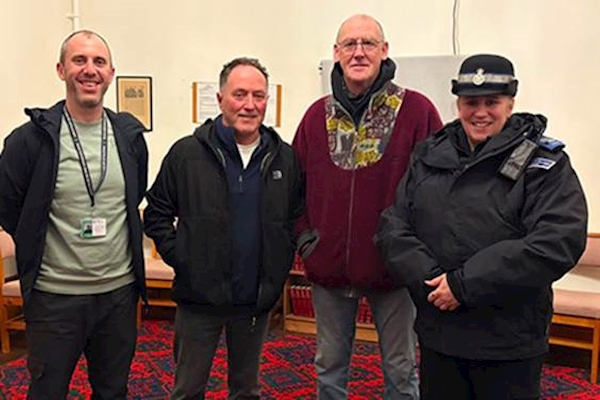
I’ve been joining a series of public engagement sessions with MPs across County Durham and Darlington, hearing directly from people affected by crime and discussing how police and partners can better tackle the issues affecting their communities.
One message has come through particularly strongly: too many victims still do not know their rights under the Victims’ Code.
That needs to change. Providing a first-class service to victims is a central commitment in my Police, Crime and Justice Plan. Every victim should know what they are entitled to, what support is available and what they can expect from the criminal justice system.
Victims have the right to be kept informed, access appropriate support and be treated with dignity, respect and compassion throughout their journey through the justice system.
Knowing your rights is an important first step in making sure those rights are delivered.
If you have been affected by crime, find out more about your rights and the support available here:
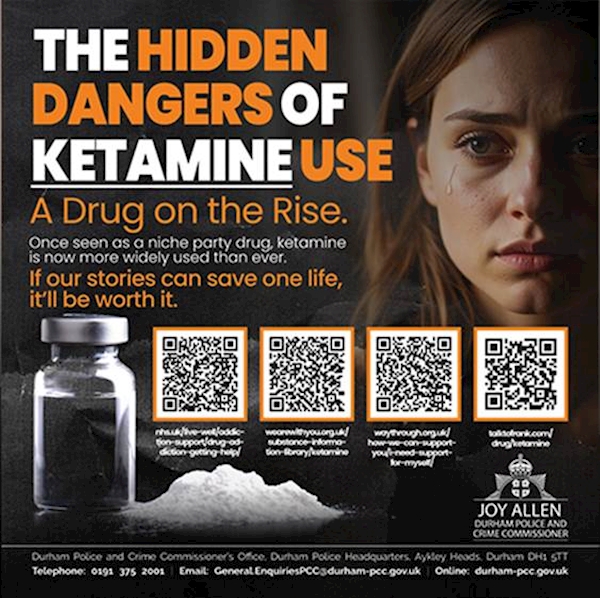
The growing harm associated with ketamine demands serious attention and decisive action.
As the APCC’s joint national lead for Addictions and Substance Misuse, I have made clear that I do not agree with the Advisory Council on the Misuse of Drugs’ position that ketamine should remain a Class B drug.
The consequences of harmful drug use are not confined to individual users. Families and communities can also experience the devastating consequences of addiction, exploitation and drug-related crime.
My Police, Crime and Justice Plan places prevention alongside robust enforcement and effective treatment because we cannot simply arrest our way out of addiction. We must reduce demand, disrupt those who profit from supplying drugs and ensure people who need treatment can access it.
I will continue to press nationally for the response to ketamine to reflect the seriousness of the harms we are seeing.
Celebrating the priceless contribution of our volunteers
Our communities are stronger because of the people who give their time to help others.
During Volunteers’ Week, we celebrated the incredible contribution made by volunteers across policing and community safety.
From Special Constables and Police Support Volunteers to cadets, magistrates, Community SpeedWatch teams, Independent Custody Visitors, Addictions Ambassadors, Community Peer Mentors and members of our scrutiny panels, volunteers play an important part in keeping our communities safe.
Their contribution goes much further than the hours they give. They strengthen neighbourhood policing, support prevention, provide independent scrutiny, increase community resilience and help build public confidence in policing and criminal justice.
Quite simply, County Durham and Darlington would not be as safe, strong or welcoming without them.
Their professionalism, dedication and selfless service deserve our genuine gratitude, and I was proud to celebrate everything they do for our communities.
Bringing the consequences of dangerous driving to life for teenagers
Keeping people safe on our roads starts long before someone is stopped by the police.
Education and prevention are every bit as important as enforcement. That is why I have funded a powerful programme giving teenagers approaching driving age an opportunity to see first-hand the potentially life-changing consequences of dangerous driving.
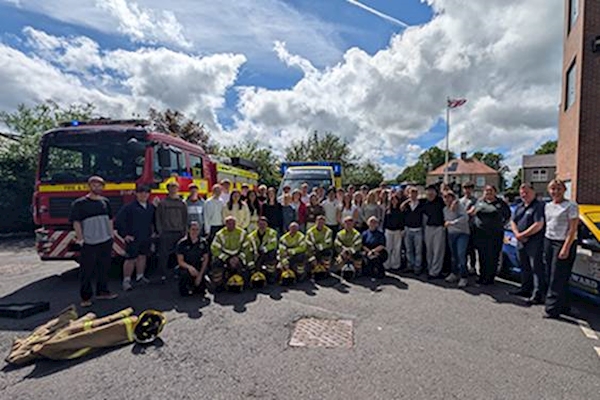
Led by the police and supported by our blue-light partners, interactive Road Traffic Collision Days have been delivered in three local high schools.
Aimed at 15–18-year-olds, the sessions use live demonstrations to bring home the reality of what can happen when poor decisions are made behind the wheel.
We need the next generation of drivers to understand that driving brings responsibility. A momentary decision involving speed, distraction, drink or drugs can change lives forever.
My approach to safer roads is clear: education, prevention and enforcement must work together if we are going to reduce deaths and serious injuries.
Alcohol tags: tackling harmful drinking and breaking the cycle of offending
If we want to reduce crime, we must tackle the factors driving offending. For many offenders, alcohol and addiction are part of that picture.
That is why I backed the wider use of alcohol monitoring tags during the World Cup, targeting more than 7,000 offenders across England and Wales.
Expanding the effective use of electronic monitoring is a commitment in my Police, Crime and Justice Plan because technology can help us both hold offenders accountable and reduce the likelihood of further offending.
But tags should not be viewed in isolation. Combined with robust community supervision, treatment and custody-based testing, alcohol monitoring can help offenders break harmful habits while providing a clear incentive to remain sober.
Reducing reoffending ultimately means fewer crimes, fewer victims and safer communities.
That is the outcome we should always be working towards.
The concerns raised with me across County Durham and Darlington do not stop at our borders.
Pushing for stronger Community SpeedWatch
Speeding remains one of the concerns raised most frequently by communities.
Community SpeedWatch gives residents an important role in tackling that problem, but I believe we can make it even more effective.
As APCC joint national lead for Roads Policing and Transport, I am working directly with Government to strengthen Community SpeedWatch across England and Wales.
Alongside Warwickshire PCC Philip Seccombe, I have written to the Roads Minister urging Government to seize the opportunity presented by new data-capture technology.
Used effectively, better technology can strengthen intelligence, improve the information available to policing and help target enforcement where it is needed most.
Community SpeedWatch is about much more than recording vehicle speeds. It is about communities working with policing to change driver behaviour, prevent collisions and ultimately save lives.
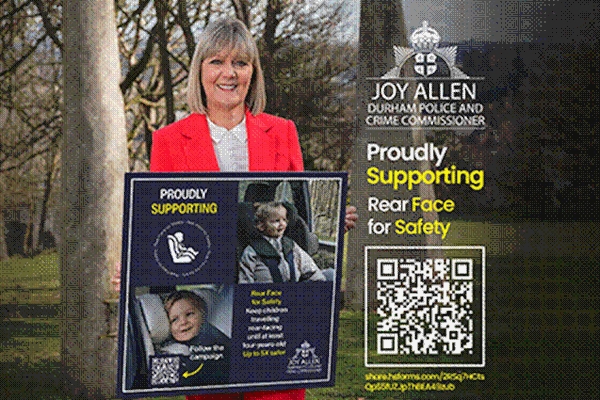
Proud to support #RearFaceForSafety
Protecting children on our roads must be a priority.
That is why I am giving my full backing to the national #RearFaceForSafety campaign.
Launched during Child Safety Week, the campaign encourages parents and carers to keep children rear-facing in car seats until at least the age of four, and longer where possible.
The message is simple: keeping children rear-facing for longer can provide significantly greater protection in a collision.
Road safety is not only about enforcement. It is also about giving families the information they need to make safer choices and prevent tragedies before they happen.
If one simple decision can help protect a child from death or serious injury, it is a message worth sharing.
You can register your support for the campaign here:
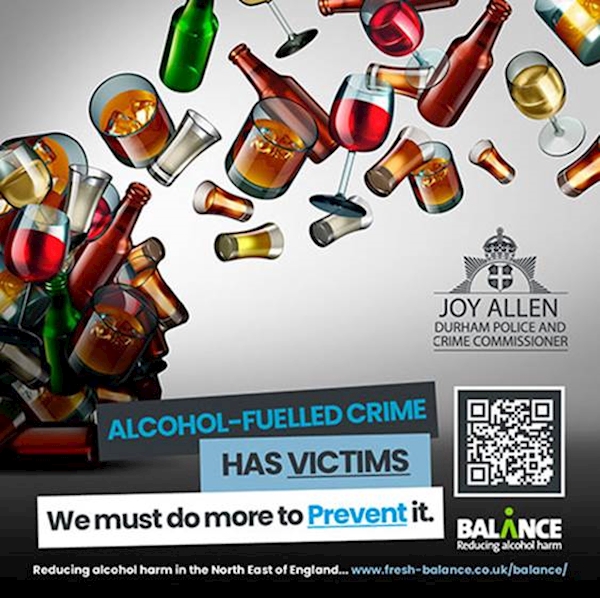
Calling time on Britain’s damaging drinking culture
We need a more serious national conversation about alcohol.
As APCC joint national lead for Addictions and Substance Misuse, I have been clear that Government must put public safety and public health before commercial interests and confront the harms associated with our relationship with alcohol.
During Alcohol Awareness Week, I highlighted what I believe is a crisis too often hiding in plain sight: easy access to alcohol combined with a culture in which drinking has become the default way to celebrate, cope and unwind.
The consequences can be seen across our health services, policing, criminal justice system, families and communities.
Those already struggling with dependency can be hit hardest.
We therefore need a national approach which places greater emphasis on prevention, early intervention, treatment and recovery, while recognising the wider impact alcohol-related harm has on policing and public services.
Identifying the problem is not enough. I will continue using my national role to press Government for meaningful action that reduces alcohol-related harm and protects our communities.
Everything in my Police, Crime and Justice Plan starts with listening to the people I represent.
Whether your concern is crime, anti-social behaviour, road safety, support for victims, drugs and alcohol, rural crime or the effectiveness of our criminal justice system, I want to hear from you.
Your experiences help identify where services need to improve, where investment is needed and where I should be challenging local and national partners to do more.
You said. We’re doing. Together, we can make County Durham and Darlington safer.
County Durham & Darlington Police & Crime Commissioner