Protecting Your Empty Home During the Summer Holidays
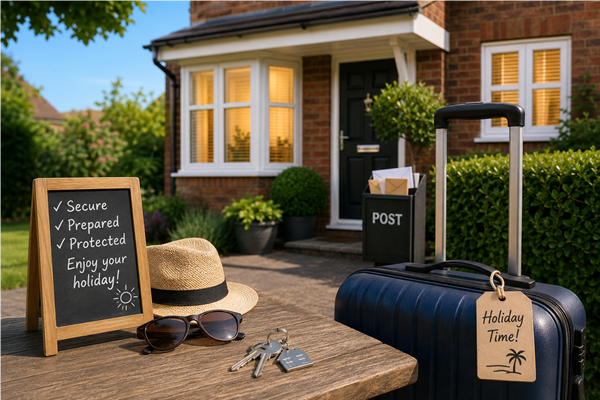
When summer arrives and many of us head off on well‑earned holidays, our homes can unintentionally become more vulnerable. An empty property is an opportunity for burglars — but a few simple, proactive steps can make your home look lived‑in, secure, and far less attractive to opportunistic criminals.
Keep Your Home Looking Occupied
Burglars are far less likely to target a house that appears lived‑in. Using timed lighting inside your home is one of the easiest ways to create that illusion.
Set lights to switch on in the evening and off late at night.
Choose rooms that are visible from the street, such as the living room or hallway.
Consider varying the timing slightly so the pattern doesn’t look automated.
Timed lights are inexpensive, reliable, and one of the most effective deterrents available.
Prevent Visible Signs of Absence
A build‑up of post or parcels is a clear signal that nobody is home. Before you leave:
Arrange to cancel mail deliveries or use Royal Mail’s Keepsafe service, which holds your post for up to 66 days.
Ask a trusted neighbour to move any flyers or deliveries out of sight.
Avoid ordering items to arrive while you’re away.
These small actions remove one of the biggest giveaways that a property is unoccupied.
Secure Every Entry Point
It sounds obvious, but unlocked windows remain one of the most common entry routes for burglars. Before you set off:
Double‑check that all windows — upstairs and downstairs — are locked.
Ensure patio doors, side gates, and sheds are secured.
Remove keys from locks and keep them out of sight.
A quick final walk‑through of your home can make all the difference.
Community Awareness Matters
If you feel comfortable, let a neighbour know you’ll be away. A friendly pair of eyes on your property adds an extra layer of reassurance. Neighbourhood Watch members often keep an informal lookout for unusual activity and reporting anything suspicious early helps protect the whole community.
Taking just a few minutes to prepare your home before you go away can dramatically reduce the risk of burglary. Timed lighting, paused mail, and secure windows are simple, affordable steps — but together they send a powerful message that your home is cared for and monitored.
Summer Travel and Online Ticket Fraud
Summer brings sunshine, excitement, and long‑awaited holidays — but it also brings a surge in online scams targeting travellers. Fraudsters know people are eager to secure good deals on villas, flights, and attraction tickets, and they exploit that urgency with convincing fake listings, cloned websites, and offers that seem irresistible at first glance. Staying alert online is just as important as staying safe in your neighbourhood.
Fake Villa & Holiday Rental Scams
Criminals frequently post professional‑looking adverts for villas, apartments, and cottages that either don’t exist or aren’t actually available. They often steal photos from genuine listings and use pressure tactics to push quick payments.
Choose platforms with verified hosts and trusted rental listings.
Be wary if the owner insists on bank transfer only.
Use reverse‑image search to check whether photos appear elsewhere online.
Read independent reviews — not just those on the listing page.
If a rental looks unusually cheap for peak summer, pause and investigate before paying.
Discounted Travel Tickets & “Exclusive Deals”
Fraudsters advertise heavily discounted flights, attraction passes, and package deals through social media ads or unofficial travel pages. These tickets are often invalid, duplicated, or never issued.
Book only through recognised travel companies or airline websites.
Avoid sellers who request payment outside secure platforms.
Check for a physical address and customer support line.
Look for ATOL or ABTA membership when booking packages.
Pressure phrases like “last chance”, “limited time”, or “act now” are common red flags.
Cloned Websites
Some fraudulent websites mimic legitimate travel companies so closely that they appear genuine. Their goal is to capture card details, passport information, or login credentials.
Inspect the URL carefully — cloned sites often use subtle misspellings.
Ensure the site uses HTTPS and has a valid security certificate.
Navigate to the site manually rather than clicking links in emails or ads.
Use secure payment methods that offer buyer protection.
If anything feels slightly off, trust your instincts and verify the site independently.
Protect Yourself Before You Book
A few simple habits can dramatically reduce your risk of falling victim to online travel fraud:
Research the company thoroughly before paying.
Keep records of communication, receipts, and booking confirmations.
Avoid sharing personal details unless you’re certain the site is genuine.
Report suspicious listings to Report Fraud.
Summer holidays should be a time to relax, not a time to worry about scams. By staying cautious online, checking websites carefully, and avoiding pressure‑selling tactics, you can protect your money — and enjoy a stress‑free break.
The Hidden Dangers of Swimming in Lakes, Reservoirs and Rivers During Hot Summer Weather
When temperatures soar during the summer, it can be tempting to cool off by taking a dip in a nearby lake, reservoir or river. While these natural beauty spots can look inviting, they often hide dangers that are not immediately obvious. Every year, emergency services respond to incidents involving people who underestimate the risks of open water.
Cold Water Shock
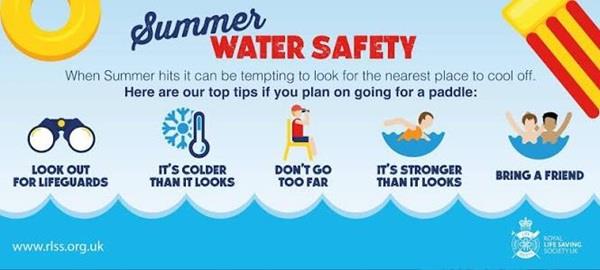
Even on the hottest days, the water in lakes, reservoirs and rivers can remain surprisingly cold. Entering cold water suddenly can cause cold water shock, making it difficult to breathe, increasing heart rate and causing an involuntary gasp reflex. This can lead to panic and, in some cases, drowning, even for strong swimmers.
Hidden Hazards Beneath the Surface
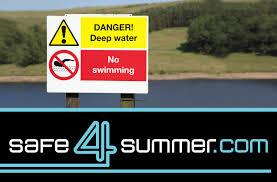
Unlike swimming pools, open water is unpredictable. Hidden dangers may include:
Deep drop-offs and steep banks.
Rocks, tree branches and other submerged debris.
Mud, weeds and silt that can trap or entangle swimmers.
Sharp objects hidden below the surface.
Water clarity can often be poor, making it impossible to see these hazards until it is too late.
Strong Currents
Rivers can have fast-moving currents that are difficult to detect from the bank. Even calm-looking water may conceal powerful undercurrents capable of pulling swimmers downstream.
Reservoirs present their own risks. Water is often much deeper than expected, and structures such as intake towers and overflow channels can create dangerous underwater currents. Water levels can also change quickly without warning.
Jumping Into the Unknown
Jumping or diving into open water is extremely dangerous. Water depth can vary dramatically, and submerged rocks or other obstacles can cause serious spinal or head injuries.
Alcohol and Open Water Don't Mix
Alcohol significantly increases the risk of drowning by affecting judgement, coordination and reaction times. It also increases the body's susceptibility to cold water shock.
Keep Children Safe
Children are naturally attracted to water, particularly during warm weather. They should always be supervised closely near lakes, rivers and reservoirs, even if they are not planning to swim. A moment's distraction can have devastating consequences.
Stay Safe This Summer
If you're looking to cool down:
Choose supervised swimming pools or designated open-water swimming locations with lifeguards.
Never swim alone.
Avoid swimming after consuming alcohol.
Never jump or dive into unfamiliar water.
Keep well away from reservoir structures, spillways and fast-flowing rivers.
If someone gets into difficulty, call 999 immediately and ask for the Fire and Rescue Service if inland water rescue is required. Do not enter the water yourself—throw something that floats and encourage them to float on their back until help arrives.
Enjoy Summer Safely
Open water can appear peaceful and inviting, but appearances can be deceptive. Understanding the risks and making sensible choices can prevent tragedy and ensure everyone enjoys the summer safely. If in doubt, stay out.
Stronger Together: Why Joining a Neighbourhood Watch Matters
Most people associate Neighbourhood Watch with those familiar yellow signs posted on street lamps. But beyond the street signs, active schemes play a tangible role in keeping local communities safe, connected, and resilient.
Whether you’ve just moved to a new area or want to take a proactive step in your current neighbourhood, here is why joining a scheme is worth it.
Measurable Crime Prevention
The primary goal of Neighbourhood Watch is reducing opportunistic crime. Studies consistently show that visible schemes deter burglaries, vandalism, and vehicle crime. Opportunistic thieves prefer easy, unmonitored targets; a street where residents actively look out for one another and report suspicious behaviour creates a natural deterrent.
Direct Crime Alerts and Local Intelligence
When you join, you gain access to localised updates from community policing teams and scheme coordinators.
Access practical crime prevention tips tailored to seasonal risks, like securing homes during holiday periods.
Report non-emergency issues efficiently through established community channels.
Rebuilding Community Spirit
Modern life can often feel isolated, with neighbours rarely speaking beyond a quick wave. Neighbourhood Watch creates an intentional structure for residents to get to know one another. Beyond crime prevention, this network often naturally evolves into support for vulnerable residents—checking in on elderly neighbours during severe weather or keeping an eye on houses while families are away.
Did you know? Some home insurance providers offer discounts on contents insurance if your home is located in an active, recognised Neighbourhood Watch area.
Getting Started Is Simple
Joining doesn't require patrolling the streets or committing hours of free time every week. For most members, it simply means staying informed, keeping an eye out, and sharing helpful security updates with those on your street.
Help Us Improve Neighbourhood Alert Messages
Every Neighbourhood Alert email includes simple buttons that allow you to rate the message and share it with others.
By rating an alert as helpful (or not), you provide valuable feedback that helps improve the information we send and ensures future messages are as relevant and useful as possible.
If you receive an alert that could benefit your neighbours, friends, family, or local community groups, please use the Share button. You can quickly share alerts by email, WhatsApp, or through popular social media platforms such as Facebook, X (formerly Twitter) and LinkedIn, helping important crime prevention advice, witness appeals and community safety information reach a much wider audience.
The more people who see and share these alerts, the more effective they become in raising awareness, preventing crime and keeping our communities safe.
Thank you for taking a few moments to rate and share our alerts. Your feedback and support help strengthen our community and make Neighbourhood Alert an even more effective way of keeping everyone informed and connected.