

|
||
|
|
||
|
||
|
5,149 motorists recorded exceeding the 30mph speed limit outside junior school |
||
|
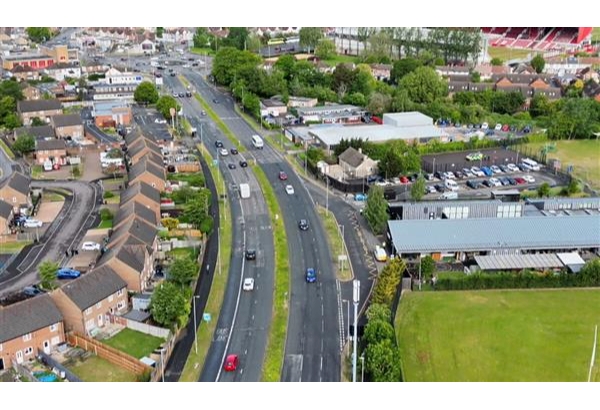
Dear Swindon Resident, Over the past 12 months, targeted speed enforcement operations have been carried out on Queens Drive, Swindon, outside Holy Cross Junior School. During 65 enforcement sessions, and as of 8 May 2026, a total of 5,149 motorists were recorded exceeding the 30mph speed limit. A breakdown of outcomes is as follows, depending on individual driving history and previous convictions: Queens Drive is an unusual location. Although it is a 30mph road, it consists of six lanes — three in each direction — effectively creating a “mini‑motorway” directly outside a primary school. Along the same stretch is an ambulance station and a day hub that supports vulnerable and homeless adults. This combination of high‑speed traffic and vulnerable pedestrians makes strict speed compliance absolutely essential. Officers have observed parents with children attempting to cross all six lanes of traffic rather than using the nearby pedestrian crossing, placing themselves and their children at significant risk. Vulnerable adults have also been seen stepping into the road without full awareness of the dangers. These behaviours, combined with excessive vehicle speeds, create a serious and entirely avoidable threat to life. We are working closely with the local schools and Swindon Borough Council to secure additional signage and road‑safety measures. Some motorists have commented that signage is insufficient, and some satellite navigation systems still incorrectly display the road as a 40mph limit, despite the reduction to 30mph in 2018. Drivers must not rely on sat‑navs or mobile devices to determine speed limits; their full attention should remain on the road ahead. If unsure, motorists should default to 30mph until signage indicates otherwise. It is a speed limit, not a target. As a civilian Speed Enforcement Officer for Wiltshire Police, my full‑time role — alongside colleagues across the county — is to tackle the elements of the “Fatal 5”: speeding, mobile phone use, not wearing seat belts, drink and drug driving, and careless or distracted driving. Enforcement locations across Wiltshire are selected using risk‑based analysis, allowing us to focus our efforts where the likelihood of harm is greatest. We often hear comments such as, “Don’t you have anything better to do?” or “Shouldn’t you be dealing with crime or anti‑social behaviour?” What many people may not realise is that policing is made up of specialist departments, each trained and tasked to address specific issues. Our department exists for one reason: to prevent deaths and serious injuries on our roads. Road‑safety enforcement is not a distraction from policing — it is a core part of protecting the public. Drivers must also take responsibility for their own actions and behaviour. A vehicle is a powerful machine, and even a momentary lapse in concentration can have devastating consequences. A phone call, turning to speak to passengers, or impaired alertness due to tiredness, alcohol, or drugs can all affect judgement and reaction time. Road conditions — including wet surfaces, potholes, and poor visibility — must also be taken into account. While modern vehicles often include advanced safety features, these cannot compensate for poor decision‑making. Driving is a privilege, not a right. The last thing any driver wants is to lose their licence, seriously injure someone, or cause a fatality. Our priority is to prevent harm, protect children, and ensure that everyone using Queens Drive can do so safely. Ultimately, this is not about “catching” drivers — it is about education and awareness. Our aim is to promote safer behaviour, reduce risk, and ensure that everyone gets home safely. Yours sincerely,
| ||
Reply to this message | ||
|


|