|
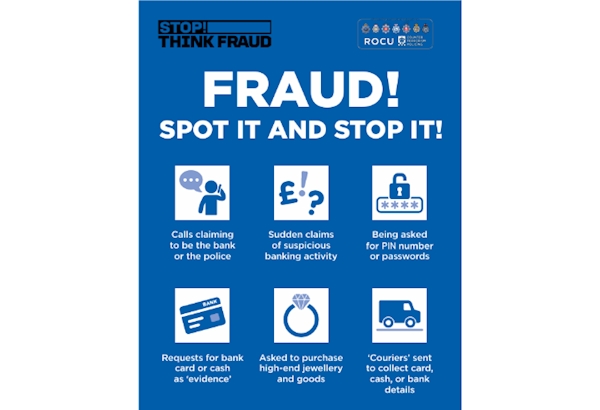
Police are urging families, friends and neighbours to make their elderly relatives or vulnerable members of the community aware of courier fraud after recent incidents were reported, including the theft of £80,000. Courier fraud occurs when people are contacted by people pretending to be police officers or bank officials and convinced into handing over money, valuables or bank cards, which are collected from their home address, often by couriers. The criminals use a variety of different tactics, often claiming that there is a problem with your account and they need your help to catch the real criminals. In total there have been at least 14 incidents reported in the county between February and May, with around £160,000 stolen. The incidents have occurred across the county, with recent incidents in the Ipswich and Babergh areas. One recent victim is believed to have had around £80,000 stolen after a fake company called ‘FCA’ contacted them. They stole from the victim via the online transfer of money, loans being taken out in the victim’s name and the collection of gold. Other methods of theft included credit cards being collected from victims with amounts then spent using these, as well as the handing over large amounts of cash. Some tactics include being contacted by fake companies, pretending to be a police officer or pretending to be an official investigating fraudulent foreign currency. Police are urging residents to share this warning with elderly and vulnerable family members, friends and neighbours – but stress that anyone can fall victim to these sophisticated crimes. If you know of anyone that you feel might be susceptible to this, please help ensure they are aware of the dangers and consider measures such as call blockers. Detective Constable John Payne of Suffolk Constabulary’s Fraud Assessment Unit said: “Courier fraud is a cruel and calculated crime. Criminals who carry out courier fraud will exploit a number of tactics, preying on the vulnerable, the elderly, and those that trust services such as police and banks the most. “However, this can happen to anyone. These criminals are highly convincing and will go to great lengths to make their story sound legitimate. “Please share this important advice with your friends, your family and your neighbours and make sure they know what to do if contacted. “If you have any concerns about the legitimacy of the call please contact Suffolk police, ideally via another phone line or other method, to verify the details of the officer provided in the call.” Officers have put together a list of some of the tactics used by the criminals to help advise members of the public: The fraudsters are very convincing. They will use a variety of techniques to make themselves seem plausible. They often claim to be from the Metropolitan police and will provide a name that sounds legitimate, for example PC 85372 Barker or DC Colin Phillips from the Fraud Squad. They may even set up a password and say that it must be used in every conversation.They are able to use technology that makes the caller ID look like a local or London number. They may call from a withheld number. On some occasions they advise that fraud has been occurring within their bank or their local police force and they need the person’s help to catch those responsible. Alternatively, they may say that there has been fraudulent activity on the person’s account. This may be alleged fraud by people dispensing cash from the banks, counterfeit money having been paid into someone’s account or large-scale fraud at a bank branch. They may advise the victim to hang up and then call police on 999 or 101 to check they are genuine. The fraudster will stay on the line when the victim hangs up and in some cases play a dialling tone so it sounds like they have hung up. When the victim dials 999 they are actually still speaking to the criminal or an accomplice. The fraudster will usually ask the victim to withdraw a large sum of cash from the bank to ‘test the system’ or ‘reveal the fraud’. Victims are told that they will get the money repaid, sometimes with a reward as well. They may ask for a credit card and PIN. They will say that the victim must not tell anyone else what they are doing as this is a secret/covert operation.They will often provide a cover story for the victim to use at the bank, for example they are having building work done and the builder will only accept cash, or that it is for a grandchild who is getting married.They may tell the victim that they need to keep their phone with them when visiting the bank and on to remain on a call to the fraudster to provide ‘evidence’ of the offence taking place as a reassurance for the victim. They will say the phone should be out of view. Once the cash has been withdrawn, they will often send a courier to collect it. This is sometimes via a local taxi firm or other transport service such as Uber. The courier will provide the password and take the cash/card. Sometimes people are asked to leave the cash/card hidden somewhere close to the house. They may call back and ask for more cash. They perpetrators can become threatening.
Suffolk Constabulary is sharing a YouTube video from West Midlands Police to try and make people aware of the dangers of courier fraud, the signs to look out for and how you can protect yourself, your family and your friends. Courier Fraud Warning: Stay Wise, Don't Compromise
Police officers and other professionals will never: Ask for bank details or PINsRequest cash or bank card handovers to couriersDemand money transfers to other accountsAsk for payment of fines or fees over the phoneRequest access to your computer or passwordsAsk you to 'assist' in an investigation by doing any of the above If you have any concerns or feel you or someone you know may have been targeted, please report it. Reports can be made to both the police and to Report Fraud, while further advice on this and other scams is available on the Report Fraud website: Courier fraud - Report Fraud Top tips The police and other professionals will never ask you to withdraw cash, provide your credit card and PIN or disclose personal information about your banking details. Neither will the banks/building societies or their fraud investigation teams. If someone calls you to claiming to be police or the bank, advise that you will need to check their identity. A genuine caller will not mind. Hang up and use another phone or wait at least 10 minutes and then call police on 999. Alternatively call your bank using a number on a statement or other official documentation. The fraudsters rely on isolating victims and creating fear. If you are not sure about a situation, talk to a trusted family member or friend. If the bank staff warn you about a potential scam, take notice as they are trained to be alert to them. Call blocking services and registering with the Telephone Preference Service Telephone Preference Service may help to stop calls in the first place. Report all fraud to Report Fraud Reporting cyber crime and fraud or phishing attempts - Report Fraud or 0300 123 2040Advise elderly or vulnerable members of your family, neighbours or members of your community to help increase awareness of these crimes. General courier fraud information
Courier fraud occurs when people are contacted by people pretending to be police officers or bank officials and duped into handing over money, valuables or bank cards, which are collected from their home address, often by couriers. The criminals use a variety of different tactics, often claiming that there is a problem with your account and they need your help to catch the real criminals.
The victim may also be encouraged into handing over their bank cards, bank details and PINs, as well as handing over or buying high value items such as jewellery, watches and gold. Older people are sadly the most likely to be targeted by criminals carrying out courier fraud. However, victims are not just elderly or vulnerable people. Those responsible are professionals, they know what to say and are very convincing. For more details about checking police officers’ identities, please visit: How to check an officer's identity | Suffolk Constabulary |