

|
||
|
|
||
|
||
|
Banking and payment card scams |
||
|
Banking and payment card scamsBanking and payment card scams involve the fraudulent use of a victim’s card details to withdraw cash or buy goods. With cases of card fraud on the increase, it’s more important than ever to protect your card details when you’re out and about and when you're shopping online.
Phone scamsYour bank and the police will never ring and ask you to verify your PIN, withdraw cash or purchase high-value goods. They’ll also never come to your home to collect your card, cash or purchased items. If you get a call like this, end the call. If you get a call from your bank or the police, make sure you know who the person is before handing over any personal details. You can do this by calling your bank (the number on the back of your card) or the police (101) on a different phone line. To get a different line, use a phone owned by a family member, friend or neighbour. This is because scammers can keep phone lines open after pretending to hang up. So while you think you’re making a new phone call, the line is still open to the scammer, who pretends to be someone from your bank or the police. Depending on your bank, the security questions they ask may be different, but they’ll never ask you to authorise anything by entering your PIN into your phone. Never send money abroad to a person you've never met or to anyone you don’t actually know and trust. Likewise, never agree to keep your online relationship a secret. This is a ploy to get you not to tell your family and friends, who’ll see the scam for exactly what it is. Equally, don’t accept any offer of money. A scammer may ask you to accept money from them into your own bank account, using a convincing story as to why they can’t use their own account. The circumstances may seem genuine, but you may unwittingly be committing the criminal offence of money laundering.
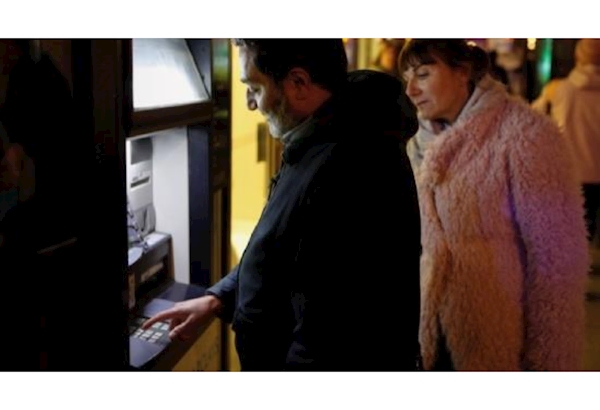
ATM or cash machine scamsNever share your debit or credit card PIN with anyone. If you see anything unusual about the cash machine or it’s been tampered with, don’t use it and report it to the bank as soon as possible. When using the ATM: cover your PIN as you type it stand close to the machine use your free hand and body to shield the keypad as you enter your PIN
Don’t get distracted. Be particularly cautious if seemingly well-meaning strangers talk to you or offer to help while you’re using the ATM. If they’re persistent, simply cancel the transaction and discreetly put your card away. Fraudsters sometimes fit devices to cash machines that trap your card, or ‘eat’ it, which they then retrieve as soon as you’ve left the area. If an ATM eats your card for any reason, report it to your card company straight away, ideally using your mobile while you’re still in front of the machine. Make sure you store your card company’s 24-hour contact number in your phone. Once you’ve completed a transaction put your money and card away before leaving the cash machine. Destroy or ideally shred your cash-machine receipts, mini-statements or balance enquiries when you’ve finished with them.
Banking scamsCheck your statements or your online account regularly, even the small things you buy. Tell your card company straight away if you suspect a fraud. Dispose of statements or slips that contain your card details carefully and securely by shredding or tearing them up. This includes your cash machine receipts, mini statements or balance enquiries. If you need to destroy your bank card, make sure you cut through it, including the metal chip. You can also use a shredder to destroy it. | ||
Reply to this message | ||
|


|