|
Hi Key safes can be a vital tool for people who rely on carers, relatives, health professionals or emergency services.
To keep you safe, it’s important to use the right type of key safe – and to stay alert to criminals who may try to take advantage. This message shares: ✔ How to choose a secure key safe
✔ Safe installation & code management
✔ Crime prevention advice on distraction & aggravated burglary
✔ Insurance points to be aware of
🔐 Choose a Key Safe With Strong, Police‑Approved SecurityFor maximum protection, use a Police Preferred / Secured by Design (SBD) key safe.
These products have been independently attack-tested and meet recognised national standards. Look for the following certifications:LPS 1175 – Loss Prevention Certification Board- A5 – Recommended minimum for outdoor domestic use .
- A10 – Highest rating for mechanical push-button safes.
Secured by Design (SBD)
Official UK Police security initiative recognising crime‑resistant products.Sold Secure (Bronze or above)
Independent test standard recognised by many insurers.
🔧 Installation & Use: Keep Your Key Safe SecureA key safe is only as strong as its installation. ✔ 1. Install in a discreet placeKeep it out of view from the road or footpath.Avoid installing it at eye‑level or directly beside the front door.✔ 2. Attach to a solid surfaceFix only to brick or concrete.Avoid wood, fences or sheds – these can be easily removed.✔ 3. Use a strong, unique codeMinimum 5–6 digits.Avoid birthdays, repeated numbers or years.Change the code regularly, especially after carers, agencies or contractors have used it.✔ 4. Share the code safelyOnly with trusted people.Keep track of who has access.
🚨 Crime Prevention: Avoiding Distraction & Aggravated BurglariesSadly, criminals sometimes target vulnerable people by pretending to be carers, utility workers or emergency services.
If you use a key safe – or support someone who does – please read the following advice. ❗ Distraction BurglaryThis is when someone lies about their identity to make you let them in. Offenders often claim they are: From the councilFrom a utility company (gas, water, electricity)Delivering a parcelA carer you haven’t met beforeProtect yourself: Never give out your key safe code to someone at the door.Genuine carers/emergency responders will never ask you to confirm the code.Use a door chain, peephole or speak through a window if unsure.Call the person’s employer or the family member who usually assists you.If you feel pressured or something feels “wrong”, close the door and call 999 immediately.
❗ Aggravated BurglaryThis is when a burglar carries a weapon or uses violence (or threatens it).
One way offenders attempt this is by trying to obtain your key safe code, or forcing you to reveal it. Protect yourself: Keep your key safe code private – treat it like a PIN number.Never write the code near the key safe.If someone demands the code or forces entry, call 999 straight away.If you suspect someone is trying to identify your key safe or watch who uses it, report it on 101 or online.
📝 Insurance AdviceBefore installing a key safe, or if you already have one, check your home insurance policy. Some insurers require: A specific LPS 1175 approved modelEvidence of forced or violent entry for theft claimsProfessional installation to maintain coverA quick call to your insurer can avoid problems later.
👮 We’re Here to Support YouIf you or someone you care for uses a key safe, following these simple steps helps keep everyone secure. If you need: Advice on choosing a safe modelSupport with installationVulnerability or safeguarding advice
…just reply here and an officer will get in touch.Please share this message with neighbours, carers and family members who may benefit. 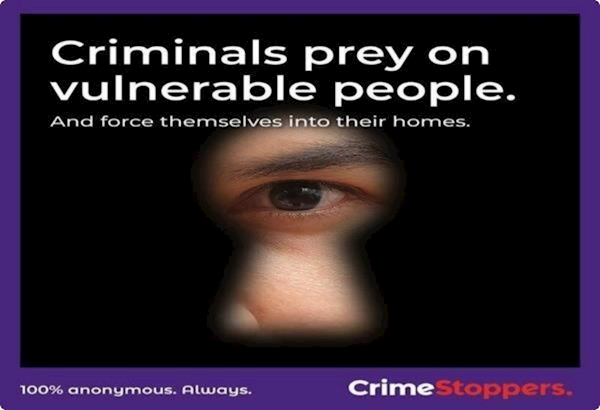
|