|
I wanted to provide an update regarding the theft of motor vehicles, which members around this area have highlighted as an issue of concern on the Met Engage priority survey. Dear Residents,
Last year I gave some top tips on this platform how to protect your Vehicles.
Last Wednesday at the Ward Panel Meeting, this request was reiterated, and I was asked to send it to you again. As I always say, please don't let your hard-earned possessions slip away. Therefore do your best to protect it.
*TOP TIPS TO KEEP YOUR CAR SAFE*
Following 3 simple steps (leave your car locked, well-lit, and empty) will help to keep your car safe, but there are further steps you could take:
• Store car ownership information at home, not in your car
• Secure number plates with anti-theft screws available from car accessory stores
• Keep your car keys out of sight in your home
• Use a Sold Secure soldsecure.com approved anti-theft device on your car. You can search for suppliers on securedbydesign.com
• When parking in a car park, look for a ‘Park Mark’ parkmark.co.uk indicating the car park meets recognised security levels
• Fit locking, anti-tamper wheel nuts to secure alloy wheels
• Secure items outside of your vehicle.
Anything left on roof-racks, tailgate racks, holiday top boxes or in tool chests are easily stolen when the vehicle is parked. The use of cable locks, padlocks and self-locking tools chests, which are secured to the vehicle, makes them more secure, but still, don’t leave things in them if you can avoid it.
Car thieves are opportunists. Leaving an iPad on a car seat or forgetting to lock your car can act as an invitation for crime. We want to instill the habit of double-checking where and how you’ve parked with our three simple steps. As a local officer with a trusted voice in the community, we’re asking everyone to proactively support their neighbours and friends by sharing our three steps with three others. By spreading the word, we’re confident we can crackdown on car crime which can be deeply distressing and debilitating for its victims.
Vehicles today are by and large more difficult to steal than ever, unless the thief can access your key or fob to clone them. Keep your keys safe, out of view when at home, and away from your front door. It’s not uncommon for car keys to be stolen from inside your home by thieves fishing for them with a stick and hook through the letterbox.
If you're selling your car and you meet up with a potential buyer, do not allow the keys out of your sight. Your keys may be cloned by thieves and used later to steal your vehicle.
Key-less entry
Cars with key-less entry unlock automatically when the key comes within a short distance of the car. This can be from inside a pocket or bag. If you have to push a button on your car key to open your car, you don't have key-less entry.
Key-less car theft or 'relay theft' is when a device is used to fool the car into thinking the key is close by. This unlocks the car and starts the ignition.
Thieves only need to be within a few metres of your car key to capture the signal, even if it’s inside your home. This means that even if your car and home are secure, thieves can still unlock, start and steal your car.
How to protect your key-less entry car
• When at home keep your car key (and the spare) well away from the car.
• Put the keys in a screened or signal-blocking pouch, such as a Faraday Bag and check if the bag or pouch is still working every few months.
• Reprogramme your keys if you buy a second-hand car.
• Turn off wireless signals on your fob when it's not being used.
Additional physical security such as locks and immobilisers are still highly recommended.
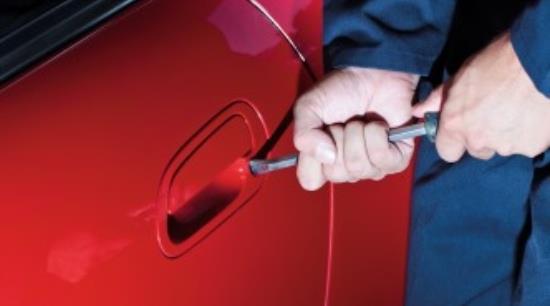 We know that people can be concerned about the personal and financial impact of having their vehicle stolen, which is why we will pursue and arrest those who break the law. Please consider taking the following steps to keep your vehicle safe: Check that your vehicle is locked and secure every time you leave it. Thieves often look for easy opportunities to steal from vehicles. They will usually try the handles until they get lucky and find one that has been left unlocked. Keep your keys safe, out of view when at home and away from your front door. If you have a keyless entry vehicle, keep the key well away from the vehicle while at home and turn off wireless signals on your fob when its not being used. Consider putting the keys in a screened or signal blocking pouch, such as a Faraday Bag and check that it is still working every few months. Park your vehicle in a private garage if you can. If you don’t have access to one, try to park in a well –lit open space. Try to use public car parks that are part of the police approved Park Mark safer parking scheme. Secure your number plates with tamper resistant screws to avoid them being stolen and used by others.
If you ever experience this issue or have information regarding an incident, please report it using our online reporting tools at https://www.met.police.uk/, speak to an operator in our Force Communications Room via our online web chat or call the non-emergency number 101. Alternatively, you can stay 100% anonymous by contacting the independent charity Crimestoppers on 0800 555 111 or via their untraceable online form at crimestoppers-uk.org. We are working on our brand-new strategy for how we police London and we want your help. Our New Met for London: Phase 2 strategy will guide how we deliver on behalf of Londoners over the next three years. |