|
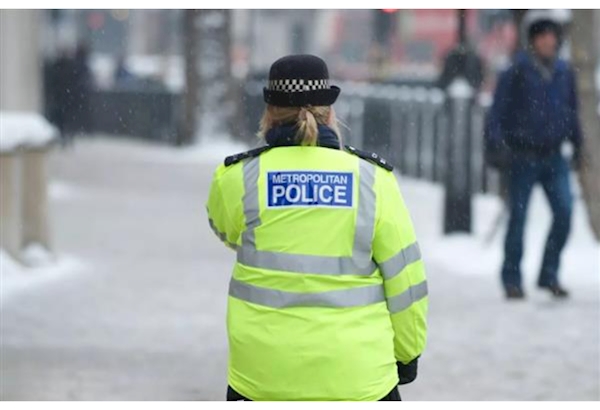
When there is a snow warning in place, the Met Office have some things you can do... 1. What to do if you need to drive somewhere?Snowy, wintry weather can cause delays and make driving conditions dangerous, follow these few simple steps to prepare before journeys: Plan your routeCheck for delays and road closuresLeave more time to prepare and check your car before setting offCheck wipers, tyres and screenwashPack essentials in your car Take a fully charged mobile phone with an in-car charger or battery pack 2. Driving safely in snowIt is safer not to drive in heavy snow and icy conditions but if you absolutely must drive, keep yourself and others safe by: Using dipped headlightsAccelerate gently, use low revs and change to higher gears as quickly as possibleStarting in second gear will help with wheel slipMaintain a safe and steady speed. Keep your distance from other vehiclesKeep a constant speed up hills. Leave plenty of room between carsUse a low gear to go down hill and try to avoid braking unless necessarySteer into skids. Do not take your hands of the wheel or slam on the brakes 3. Thinking ahead and acting now so you can cope if cut offYou could be without food, heat or light if you are cut off by snow and can't access services and amenities for a number of days. Act now and be prepared, by getting the essentials together that you could need: Torches and batteriesCandles and matches or lightersPlenty of blankets and warm clothing. 4. Staying safe if you are cut offFollowing these simple steps will help keep you safe and well if isolated due to snow: Keep the thermostat set to the same temperature, both during the day and at night.Turn off electrical heaters and put out your fire before going to bed to avoid fire riskDon’t forget your pets. Create a place where they can be comfortable in severe winter weather.Prevent frozen pipes, open kitchen and bathroom cabinet doors to allow warmer air to circulate around the plumbingStay indoors wearing layers of loose fitting lightweight warm clothing rather than bulky clothingNever use a hob or oven to heat your home, they can increase carbon monoxide levelsIf you need support call the British Red Cross Support Line on 0808 196 3651 More about keeping your home warm in winter and avoiding frozen or burst pipes 5. What you can do in a powercutPeople cope better with power cuts when they have prepared for them in advance and it's easy to do. The essentials that could help you cope with a power cut are: candles and matches or lighters,torches and batteries,a mobile phone power packIf your power goes out these simple steps can help you deal with the situation: Switch off all electrical appliances that shouldn’t be left unattended, ready for when the power comes back on.Leave a light on, so you know when the power cut has been fixed.Check to see if your neighbours are safe and if they have a power cut too. If they have power, your trip switch may have activated.Wrap up. If it's cold, wrap up warm and close internal doors to keep the heat in.Portable heaters are a good alternative if heating systems are down.Call 105 for information, it’s a free service for people in England, Scotland and Wales. 
Please click here to complete the survey
|